
Signs It’s Time to Seal Your Asphalt Surface
Noticing cracks, fading color, or water pooling are signs it’s time to seal your asphalt surface, and local contractors can help protect and extend its lifespan.
If your asphalt surface is showing signs such as cracking, fading, or surface deterioration, it may be time to consider sealing. Property owners in the area often notice these indicators as the first signs that their asphalt needs some extra protection to maintain its integrity and appearance. Recognizing these early warning signs can help prevent more extensive and costly repairs down the line. Local contractors who specialize in asphalt surface sealing are equipped to assess the condition of your pavement and recommend the appropriate steps to preserve its lifespan.
Continuing to ignore signs like water pooling, loose surface gravel, or the development of small ruts can lead to further damage and reduced curb appeal. Regular sealing by experienced service providers can help shield your asphalt from the elements and daily wear. Whether you’re managing a residential driveway or a commercial lot, understanding when to seek sealing services is key to keeping your surface in top shape. Keep reading to learn more about how to identify these signs and how local professionals can assist in protecting your investment.
- Driveway surfaces - when cracks or fading become visible, local contractors can assess whether sealing is needed to protect the asphalt.
- Parking lots - signs of surface wear or minor damage indicate it may be time for sealing to extend the lifespan of the pavement.
- Walkways and paths - if surface discoloration or small cracks appear, local service providers can help determine if sealing will prevent further deterioration.
- Commercial parking areas - when surface sheen diminishes or cracks develop, local pros can provide sealing solutions to maintain durability.
- Residential driveways - visible signs of aging such as surface cracking or oil stains suggest sealing can help restore and protect the asphalt.
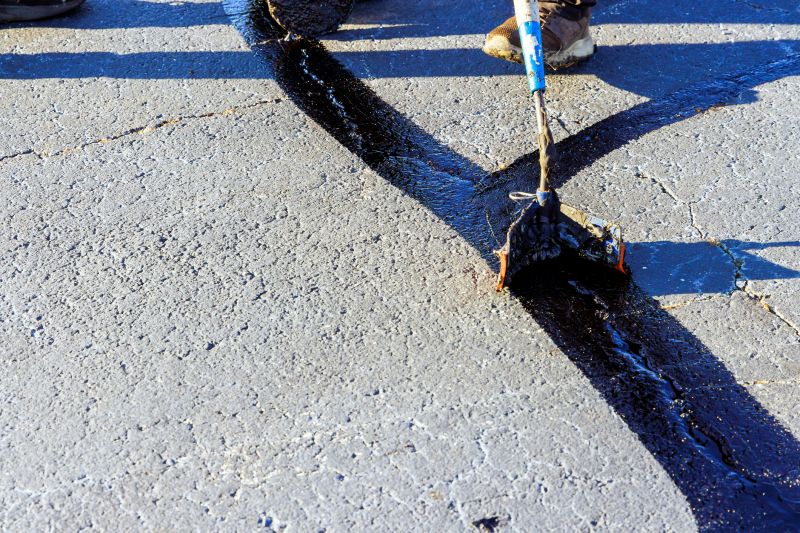
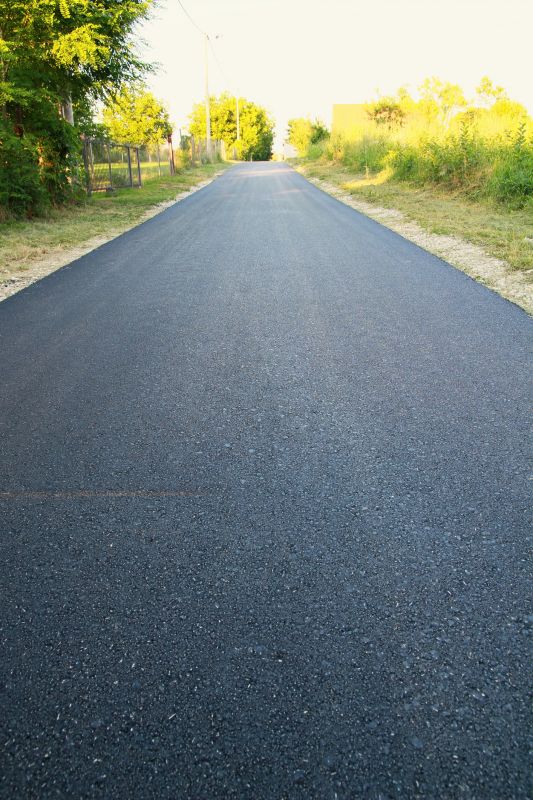
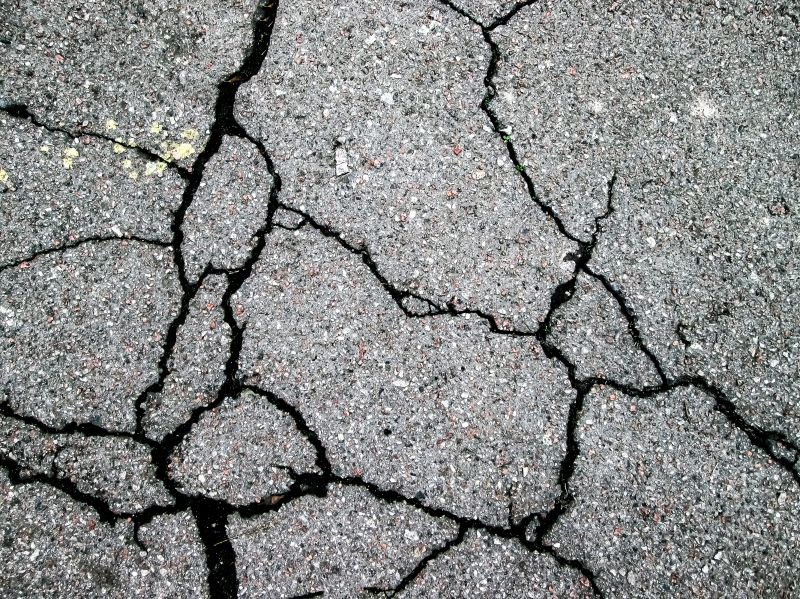
Understanding the signs it’s time to seal your asphalt surface is essential for maintaining its durability and appearance. When homeowners search for this topic, they are often looking for practical indicators that their driveway, parking lot, or other asphalt areas need attention. Over time, asphalt can develop issues such as surface wear, cracks, and fading, which may suggest that sealing is necessary to protect the surface from further damage. Recognizing these signs early can help prevent more costly repairs down the line and extend the life of the asphalt, making it a key consideration for property upkeep.
The need for sealing often relates to common problems associated with aging asphalt. For example, surface cracking, especially small or hairline cracks, can allow water to seep in and cause further deterioration. Fading or a loss of color may indicate that the asphalt’s protective surface layer has worn away, leaving it vulnerable to sun damage and weathering. Additionally, the presence of oil stains, oil spots, or accumulated debris can compromise the surface’s integrity and signal that sealing could help restore its protective barrier. Property owners planning to improve curb appeal or prepare for upcoming seasons frequently consider sealing as part of routine maintenance.
Sealing is typically recommended for properties that experience frequent exposure to harsh weather conditions, such as intense sunlight, rain, or snow. Residential driveways, especially those in suburban neighborhoods, often come up in discussions about sealing because they endure regular vehicle traffic and environmental stress. Commercial parking lots, apartment complex entrances, and community centers also frequently require sealing to maintain a professional appearance and ensure safety. These property types tend to have asphalt surfaces that are visible and accessible, making it easier to identify signs that sealing might be needed and to plan for ongoing maintenance.
Local service providers who specialize in asphalt surface sealing can assess these signs firsthand and recommend appropriate timing for sealing projects. They understand how different properties and environments impact asphalt longevity and can help property owners determine whether their surface shows early signs of wear or if it’s time for a more comprehensive treatment. By working with experienced contractors, property owners can ensure that their asphalt surfaces receive the right care at the right time, helping to preserve their investment and maintain a safe, attractive appearance.
Paving repair projects - these projects often involve assessing surface conditions similar to sealing, requiring knowledge of asphalt deterioration signs and proper planning for long-lasting results.
Driveway resurfacing - resurfacing involves preparing the asphalt surface, which aligns with sealing processes that protect and extend the life of existing asphalt.
Crack filling services - filling cracks is a preparatory step before sealing, and local contractors experienced in crack repair are familiar with surface condition indicators.
Parking lot maintenance - maintaining large asphalt areas involves identifying signs of wear that signal the need for sealing to prevent further damage.
Asphalt patching projects - patching addresses specific damage, and understanding when to seal can help prevent similar issues in repaired areas.
Surface cleaning and preparation - proper cleaning is essential before sealing, and professionals skilled in surface prep can identify surface issues that influence sealing decisions.
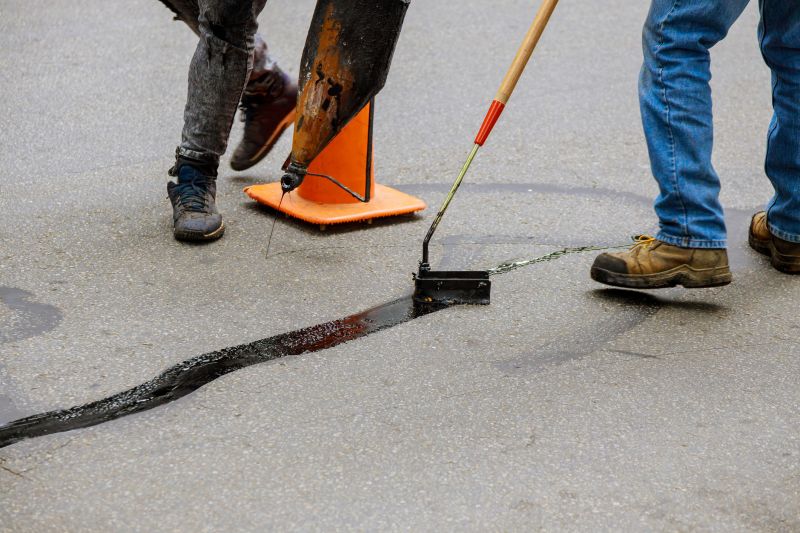
When evaluating potential service providers for asphalt surface sealing, it’s important to consider their experience with similar projects. Homeowners should inquire about how many sealing jobs they have completed that resemble their own in size and scope. A contractor with a history of working on residential driveways or parking areas similar to the property can often provide a better sense of their familiarity with the specific challenges and best practices. This background helps ensure that the contractor understands the nuances of sealing asphalt surfaces effectively, leading to results that meet expectations.
Clear, written expectations are essential when choosing a local contractor for asphalt sealing services. Homeowners should seek out providers who can offer detailed descriptions of the work involved, including surface preparation, sealing materials, and the expected lifespan of the sealant. Having this information in writing helps ensure that both parties are aligned on what will be done, reducing misunderstandings or surprises during the project. Transparent communication about the scope of work also allows homeowners to compare proposals more accurately and select a contractor who clearly understands their needs.
Reputable references and strong communication practices are key indicators of a reliable service provider. Homeowners are encouraged to ask for references from previous clients who had similar sealing projects completed. Speaking with past customers can provide insights into the contractor’s professionalism, punctuality, and quality of work. Additionally, effective communication throughout the process-such as responsiveness to questions and clarity about scheduling or procedures-can make the project smoother and more predictable. Choosing a contractor who values clear, open dialogue helps foster confidence that the asphalt sealing job will be handled with care and attention to detail.
Property owners often search for signs it’s time to seal your asphalt surface when they are planning practical projects around their homes and businesses. Local pros provide Asphalt Surface Sealing services for everyday jobs and straightforward project options.
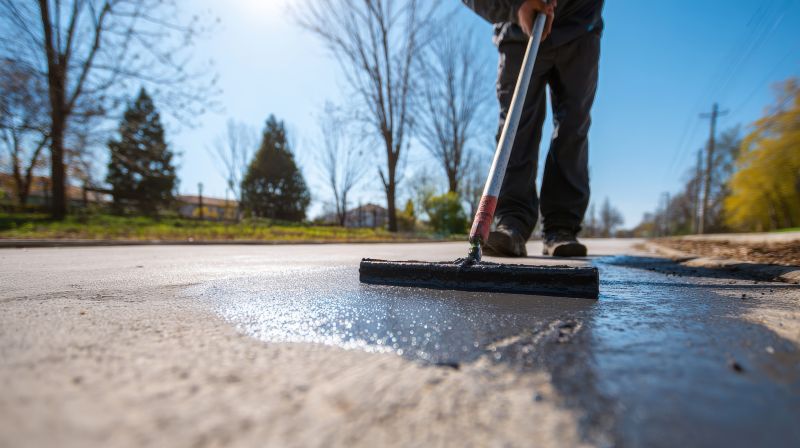
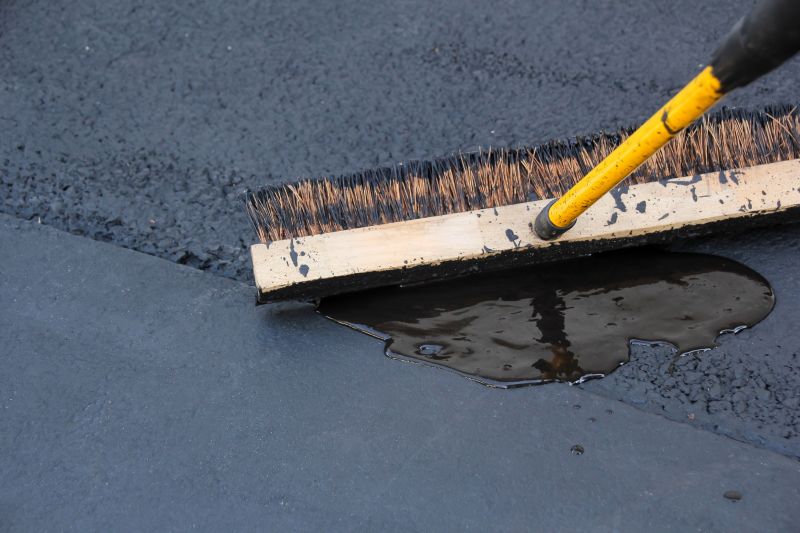
Property owners might start noticing cracks, fading, or surface wear on their asphalt driveways and parking lots, signaling that it could be time to consider sealing. These signs often appear gradually, making it easy to overlook their significance until small issues develop into more costly repairs. When the asphalt begins to lose its color or develops visible surface damage, local contractors who specialize in asphalt sealing can help restore and protect the surface, extending its lifespan and maintaining curb appeal.
Other common indicators include the presence of water pooling or minor surface erosion after rain, which suggests the asphalt’s protective layer is compromised. Regular sealing can help prevent further deterioration caused by moisture and other elements. Property owners in the area seeking to preserve their asphalt surfaces often turn to experienced service providers who can assess the condition and recommend appropriate sealing solutions, ensuring the surface remains durable and visually appealing over time.
What are common signs it’s time to seal your asphalt surface? Visible cracks, fading color, and surface raveling are typical indicators that sealing may be needed to protect the asphalt.
How can I tell if my asphalt surface has lost its protective layer? If the surface appears dull, faded, or shows signs of surface damage, it might be time for sealing services from local contractors.
Are there specific weather conditions that suggest sealing is necessary? After periods of heavy rain or extreme temperature fluctuations, signs of surface wear may appear, indicating it’s a good time to consider sealing.
What physical signs on the asphalt indicate sealing should be considered? Cracks, potholes, and areas where the surface is breaking apart are clear signs that sealing can help prevent further deterioration.
How do surface textures help identify when sealing is needed? A rough or uneven surface texture often signals that the asphalt is beginning to degrade and may benefit from sealing services from local contractors.
Cracking or Potholes - When cracks or potholes start to appear on the surface, it indicates the asphalt needs sealing to prevent further damage. Local contractors can assess the surface and apply sealing to help maintain its integrity.
Fading or Discoloration - Noticeable fading or uneven coloring suggests the asphalt’s protective layer is wearing down. Service providers can restore and protect the surface with sealing to prolong its lifespan.
Surface Wear and Roughness - A rough or worn surface can be a sign that the asphalt is losing its protective coating. Sealing can smooth out the surface and shield it from future wear.
Water Pooling or Drainage Issues - Water pooling or poor drainage may mean the surface is no longer properly sealed, leading to potential damage. Local pros can seal the surface to improve water resistance and prevent deterioration.
If you are thinking about signs it’s time to seal your asphalt surface for a property, this guide is meant to help you understand this topic, the typical project types, and how different options might fit your plans.
When you are ready, you can use the quote form on this page to share a few details about your project. From there, local pros can review the basics and follow up with options that match what you have in mind.