
Preparing Your Asphalt Surface for Professional Sealing
Preparing your asphalt surface for professional sealing ensures a smooth, clean base, and local contractors can handle surface cleaning, repairs, and preparation efficiently.
If you’re considering professional sealing for your asphalt surface, understanding how to prepare it properly is an essential first step. Property owners in the area often explore this topic to ensure their driveway, parking lot, or other asphalt surfaces remain durable and visually appealing. Proper preparation can help maximize the lifespan of the sealant and prevent common issues like cracking or surface deterioration. By learning about the key steps involved, you can better evaluate how local contractors might assist in getting your asphalt ready for sealing, ensuring the best possible results.
Many local service providers specialize in asphalt sealing and can offer guidance on how to prepare your surface effectively. This may include cleaning, repairing cracks, or removing debris, all of which contribute to a smooth, even application of the sealant. Exploring your options and understanding these preparatory steps can help property owners make informed decisions and ensure their asphalt surfaces are ready for professional sealing. Keep reading to discover practical tips and how local experts can support you through each stage of the process.
- homeowners preparing their asphalt surface for professional sealing often seek out local contractors to remove debris and repair cracks before sealing. - property managers may need local service providers to ensure proper surface cleaning and patching to enhance the longevity of their asphalt surfaces. - commercial property owners typically hire local pros to perform thorough surface cleaning and crack filling as part of the preparation process. - driveway owners considering sealing might look for local contractors to address uneven areas and surface imperfections beforehand. - municipalities preparing asphalt for sealing often work with local service providers to ensure the surface is properly cleaned and prepared for optimal sealing results.
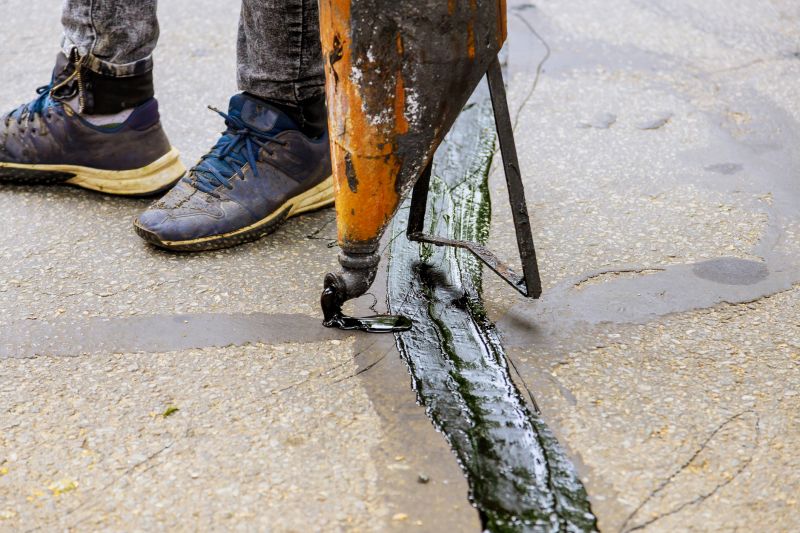
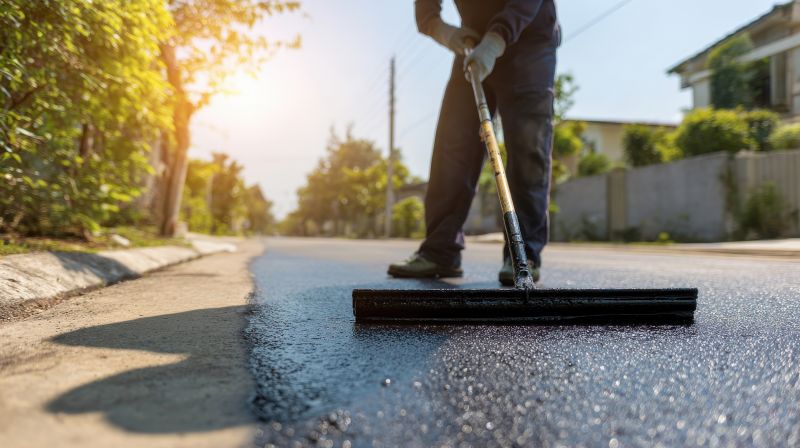
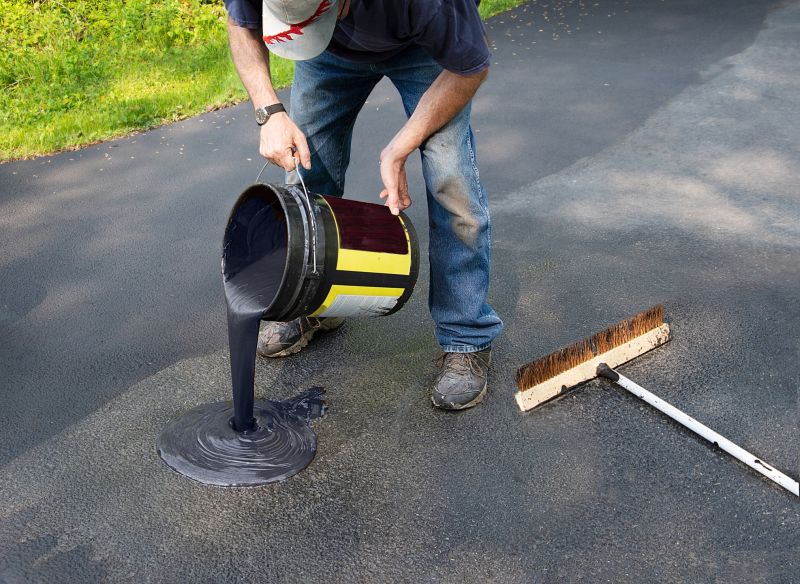
When searching for information on preparing your asphalt surface for professional sealing, most homeowners are looking for guidance on how to get their driveway or parking area ready for sealing work. This process involves assessing the current condition of the asphalt, identifying any issues such as cracks, potholes, or surface deterioration, and making necessary repairs before sealing. People often want to understand what steps are required to ensure the sealing job will be effective and long-lasting. Proper preparation is essential because it helps protect the asphalt from future damage, enhances the appearance, and ensures the sealing product adheres properly to the surface.
This topic relates closely to property maintenance and improvement plans. Many property owners consider sealing their asphalt to extend its lifespan or improve curb appeal. Common problems that lead to sealing projects include aging asphalt that has become brittle or faded, surface cracks that allow water infiltration, or areas with oil or chemical stains. Preparing the surface correctly can prevent these issues from worsening and can make a significant difference in the durability of the seal coat. Homeowners may also be planning to sell or rent out their property and want their driveway or parking lot to look well-maintained and attractive.
The types of properties where preparing asphalt surfaces for sealing typically come up include residential driveways, commercial parking lots, and small business or retail property lots. Residential properties often involve single-family homes with driveways that see regular use. Commercial properties, on the other hand, usually feature larger parking areas that require more extensive preparation to handle frequent vehicle traffic. Regardless of the property size, the goal is to ensure the asphalt surface is clean, free of debris, and free of major damage before the sealing process begins. Local contractors who specialize in asphalt sealing can evaluate each property’s unique needs and recommend appropriate preparation steps.
Preparing your asphalt surface for professional sealing is a practical step that homeowners and property managers often take to protect their investment. It involves cleaning the surface thoroughly, repairing any cracks or potholes, and ensuring the area is free of loose debris or vegetation. This preparation helps ensure that the sealant bonds properly to the asphalt, providing a more durable and uniform finish. Local service providers who handle asphalt sealing can assist in assessing the condition of the surface and performing necessary repairs, making the process smoother and more effective. Proper preparation ultimately leads to a better-looking, longer-lasting sealed asphalt surface that maintains its functionality and appearance over time.
Pothole Repair Projects - fixing potholes involves surface preparation skills similar to those needed for sealing, ensuring a smooth and durable finish by addressing surface imperfections.
Driveway Resurfacing - preparing the existing asphalt surface properly is a key step in resurfacing projects, requiring the same attention to detail as sealing preparation.
Crack Filling and Sealing - cleaning and prepping cracks before filling aligns with the surface preparation needed to ensure effective asphalt sealing.
Asphalt Repair and Patching - repairing damaged areas involves surface cleaning and smoothing, which are crucial steps in preparing for professional sealing.
Sealcoating Removal and Surface Cleaning - removing old sealcoat and cleaning the surface prepares it for new sealing, similar to initial surface prep for sealing projects.
Parking Lot Line Striping - surface preparation for line painting shares techniques with prepping asphalt surfaces, such as cleaning and surface smoothing for optimal results.
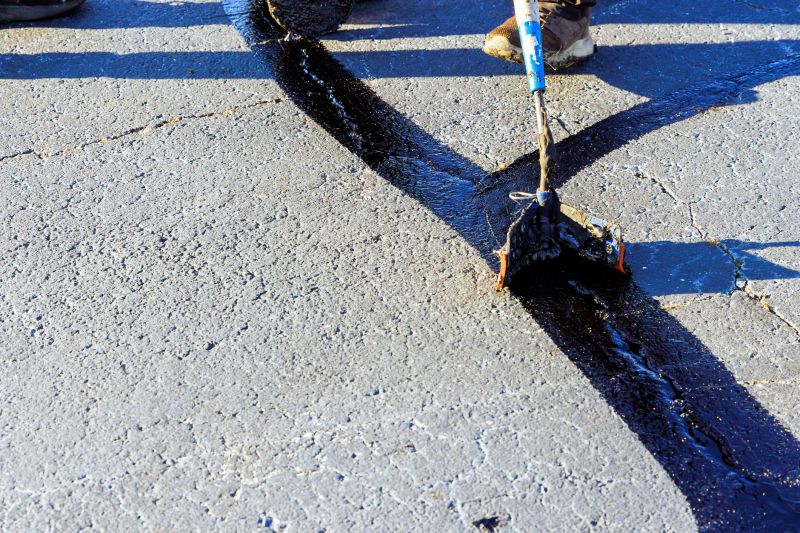
When comparing local contractors for preparing your asphalt surface for professional sealing, it is important to consider their experience with similar projects. Contractors who have a history of working on asphalt surfaces similar to yours are more likely to understand the specific requirements for proper preparation. This includes assessing the current condition of the asphalt, addressing any existing damage, and ensuring the surface is properly cleaned and repaired before sealing. Asking about their past work or requesting references can provide insight into their familiarity with preparing asphalt for sealing and their ability to deliver quality results.
Clear, written expectations are essential when evaluating potential service providers. A reputable contractor should be able to outline the scope of work, including surface cleaning, repairs, and any preparatory steps necessary for optimal sealing. This helps ensure that both parties share a common understanding of what the project entails and prevents misunderstandings. When reviewing proposals or estimates, look for detailed descriptions of the preparation process, and consider whether the contractor’s approach aligns with industry best practices for preparing asphalt surfaces.
Good communication and reputable references are key indicators of a reliable service provider. Contractors who communicate clearly and promptly are more likely to address questions or concerns effectively throughout the project. Additionally, seeking references or testimonials from previous clients can help gauge the contractor’s professionalism and quality of work. A contractor with positive feedback related to preparing asphalt surfaces for sealing is generally more dependable, making it easier to feel confident in their ability to handle the job properly and deliver satisfactory results.
Property owners often search for preparing your asphalt surface for professional sealing when they are planning practical projects around their homes and businesses. Local pros provide Asphalt Sealing services for everyday jobs and straightforward project options.
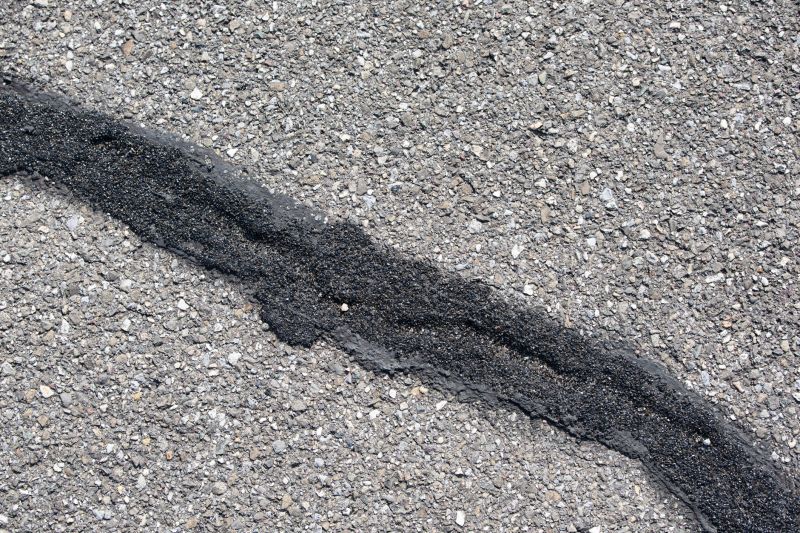
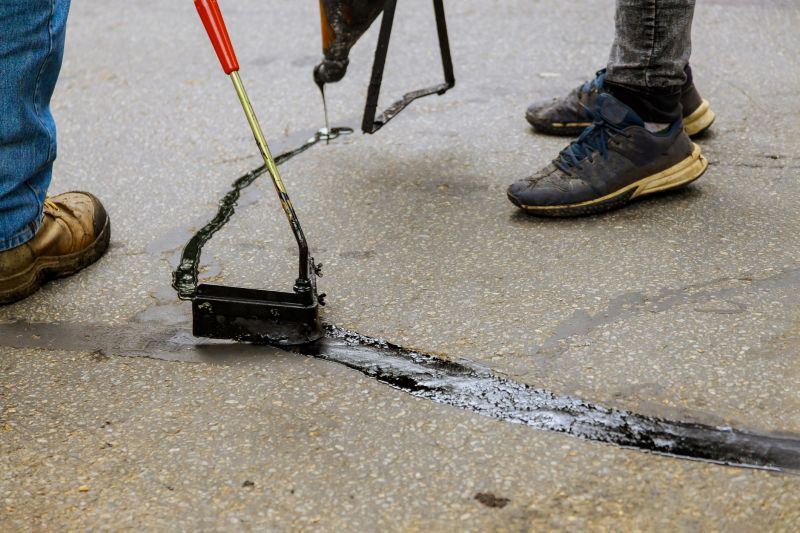
Preparing your asphalt surface for professional sealing involves several straightforward steps that property owners often consider to ensure the best results. Clearing away debris, such as leaves, dirt, and loose gravel, helps create a clean surface that allows the sealant to adhere properly. Additionally, addressing any minor cracks or holes before sealing can prevent further damage and promote a longer-lasting finish. Local contractors are experienced in assessing these conditions and can recommend the appropriate preparation techniques to make sure the sealing process is effective and durable.
Many property owners in the area look into asphalt sealing services to protect their driveways and parking areas from wear and tear caused by weather, foot traffic, and vehicle use. Proper preparation is a key part of the process that local service providers handle, ensuring the asphalt surface is ready for sealing. By trusting local pros to prepare the surface correctly, property owners can help extend the lifespan of their asphalt, maintain curb appeal, and avoid costly repairs down the line.
What are the essential steps to prepare my asphalt surface for professional sealing? Proper preparation includes cleaning the surface thoroughly to remove debris, oil, and stains, repairing any cracks or potholes, and ensuring the surface is dry before sealing. Local contractors can assess your pavement and handle these preparatory tasks effectively.
Why is cleaning the asphalt surface important before sealing? Cleaning removes dirt, oil, and loose materials that can prevent the sealer from adhering properly. Experienced service providers use specialized tools to ensure a clean, smooth surface for optimal sealing results.
How do I handle cracks and potholes before sealing my asphalt? Filling cracks and repairing potholes is crucial to prevent water infiltration and further damage. Local pros typically perform these repairs as part of their preparation process to ensure a durable seal.
Should I do anything to the asphalt surface before sealing if it has existing stains or oil spots? Yes, removing stains and oil spots helps the sealer bond better to the asphalt. Professional contractors often use degreasers or cleaning agents to address these issues during preparation.
Is it necessary to wait after cleaning or repairs before sealing my asphalt? Yes, allowing the surface to dry completely after cleaning and repairs ensures proper adhesion of the sealer. Local service providers follow best practices to prepare the surface adequately for sealing.
Clear the asphalt surface of debris - removing leaves, dirt, and loose gravel helps ensure a smooth sealing application by local contractors.
Repair cracks and potholes - filling in damage prepares the surface for sealing and prevents further deterioration, making it easier for local pros to do a thorough job.
Ensure proper drainage - directing water away from the asphalt prevents pooling and damage, creating a better foundation for sealing services from local contractors.
Allow the surface to dry completely - scheduling sealing after the asphalt is dry helps achieve optimal adhesion and a longer-lasting seal with help from local pros.
If you are thinking about preparing your asphalt surface for professional sealing for a property, this guide is meant to help you understand this topic, the typical project types, and how different options might fit your plans.
When you are ready, you can use the quote form on this page to share a few details about your project. From there, local pros can review the basics and follow up with options that match what you have in mind.